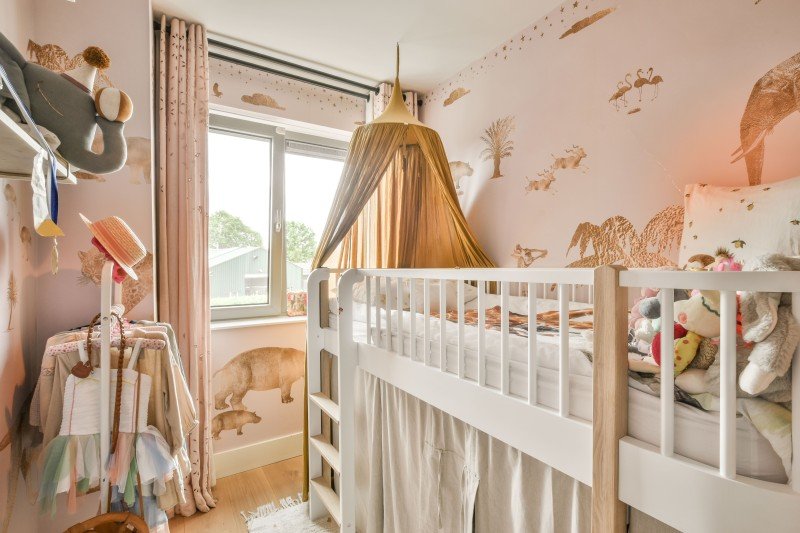
Bunk Beds: A Comprehensive Guide to Space-Saving Sleep Solutions
Bunk beds, a timeless furnishings staple, are far more than just stacked sleeping platforms. They represent clever spatial ingenuity, offering a useful and often fun option for making the most of room area. From dynamic household homes to space-conscious dormitories and hostels, bunk beds have actually proven their flexibility across different environments. This article looks into the world of bunk beds, exploring their history, varied types, benefits, security considerations, and how to pick the ideal one to satisfy particular requirements.
A Nod to History: The Evolution of Stacked Sleep
While the exact origins of bunk beds are rather hazy, the principle of stacked sleeping arrangements has been around for centuries. Think about sailors on ships, maximizing minimal cabin area with berths developed one above the other. Military barracks have likewise long utilized comparable plans to house big numbers of personnel efficiently. These historical examples display the essential concept behind bunk beds: vertical area optimization for sleeping.
Modern bunk beds, as we know them today, progressed from these practical necessities. The increase of urbanization and smaller living spaces in the 20th century further sustained their popularity in domestic settings. The requirement to accommodate multiple children in smaller bedrooms drove the design and improvement of bunk beds, changing them from simply practical structures into increasingly elegant and practical furnishings pieces.
Deciphering the Diversity: Exploring Types of Bunk Beds
The term "bunk bed" incorporates a remarkably wide variety of designs and setups. Understanding these variations is essential when picking the ideal bunk bed for a specific area and user needs. Here's a breakdown of typical types:
- Standard Bunk Beds (Twin over Twin): This is the traditional and most identifiable bunk bed design. Featuring two twin-sized beds stacked directly above each other, they are perfect for siblings sharing a room or for smaller sized areas where maximum sleeping capability is needed vertically.
- Twin over Full Bunk Beds: Offering greater versatility, these bunk beds integrate a twin-sized bed on leading with a full-sized bed on the bottom. This configuration can comfortably accommodate an older child or teenager on the bottom bunk while still offering a space-saving twin bed above.
- Complete over Full Bunk Beds: For scenarios needing more generous sleeping space for both occupants, full over full bunk beds are an excellent option. They provide two full-sized beds stacked vertically, making them suitable for older children, teens, and even grownups in shared home.
- Loft Beds: Technically a variation of a bunk bed, a loft bed includes just a leading bunk, leaving the area beneath open for numerous uses. This area can be changed into a study location with a desk, a lounge area with a futon, or simply left as open play or storage area. Loft beds are particularly advantageous in smaller sized rooms where taking full advantage of floor area is vital.
- Trundle Bunk Beds: These bunk beds include a third pull-out bed, understood as a trundle, that moves below the bottom bunk when not in use. Trundle beds are best for accommodating occasional guests or for households who often host slumber parties.
- L-Shaped Bunk Beds: Instead of stacking directly vertically, L-shaped bunk beds position the leading bunk perpendicular to the bottom bunk, developing an "L" shape. namorce.top uses more headroom on the bottom bunk and can produce a more open and less claustrophobic feel compared to standard stacked bunk beds. The space created by the "L" shape can sometimes be made use of for a little desk or storage.
- Triple Bunk Beds: For scenarios needing sleeping space for 3 individuals in a single footprint, triple bunk beds provide a solution. These can be set up as 3 beds stacked vertically or in an "L" shape with a 3rd bed extending from the side.
- Novelty Bunk Beds: Adding a component of enjoyable and whimsy, novelty bunk beds can be found in different shapes and styles. From castle-themed beds to those shaped like buses or fire engine, these beds can be specifically appealing to younger children, transforming bedtime into an imaginative experience.
Unpacking the Benefits: Why Choose a Bunk Bed?
The appeal of bunk beds extends far beyond their space-saving capabilities. They use a wide variety of advantages that make them a useful and preferable furniture option:
- Space Optimization: This is the most apparent benefit. By stacking sleeping areas vertically, bunk beds maximize valuable flooring area for other furnishings or activities. This is especially vital in smaller bedrooms, dormitory, or shared living areas.
- Versatility and Functionality: Beyond sleeping, bunk beds can be exceptionally flexible. Loft beds, in particular, offer versatile area below the leading bunk. Numerous bunk bed styles likewise incorporate integrated storage drawers, racks, or perhaps desks, even more improving their performance.
- Cost-Effectiveness: Purchasing a bunk bed is typically more economical than buying two separate beds, especially when furnishing a space for numerous children. This can be a considerable advantage for households on a budget plan.
- Fun and Appealing for Children: For children, bunk beds often hold a special appeal. The novelty of sleeping on the top bunk or having a built-in backyard below can make bedtime more interesting and enjoyable. Bunk beds can also promote a sense of camaraderie and shared space among siblings.
Focusing On Safety: Essential Considerations for Bunk Beds
While bunk beds offer many advantages, safety must be vital, especially when children are involved. Abiding by security guidelines and selecting a well-constructed bunk bed are essential for preventing accidents and making sure assurance. Secret safety considerations include:
- Age Recommendations: Experts normally recommend that children under the age of 6 need to not sleep on the top bunk. More youthful children may do not have the coordination and spatial awareness to securely navigate the ladder and top bunk area.
- Guardrail Height and Sturdiness: Guardrails on the leading bunk are non-negotiable. They should be sufficiently high (a minimum of 5 inches above the bed mattress) and firmly connected to prevent falls. Regularly inspect the guardrails for stability and ensure they are effectively secured.
- Ladder Safety: The ladder should be strong, safely connected to the bunk bed frame, and function non-slip steps for safe climbing. Think about the ladder type-- straight ladders, angled ladders, or ladders with hand rails-- and pick one that is suitable for the age and capabilities of the users.
- Weight Limits: Bunk beds have weight limits for both the leading and bottom bunks. Follow the maker's weight recommendations to avoid structural damage or collapse.
- Correct Assembly: Follow the maker's instructions diligently throughout assembly. Incorrect assembly can compromise the structural stability and security of the bunk bed. Verify all bolts and screws to guarantee they are firmly tightened.
- Spacing Around the Bed: Ensure there is sufficient space around the bunk bed, especially for accessing the ladder and making the bed. Avoid putting the bunk bed too near to walls or corners where children might become caught or injured.
Selecting the Right Bunk Bed: A Practical Guide
Selecting the perfect bunk bed includes considering several aspects to guarantee it meets specific needs and fits effortlessly into the desired space. Here's a guide to help in the decision-making process:
- Room Size and Ceiling Height: Measure the space measurements carefully, paying particular attention to ceiling height. Guarantee that there is enough headroom for the individual sleeping on the leading bunk to sit up easily without hitting the ceiling. Also, think about the total footprint of the bunk bed and ensure it fits easily within the room without overcrowding.
- Number of Sleepers: Determine how lots of individuals will be utilizing the bunk bed. This will dictate the type of bunk bed required-- standard, twin over complete, full over full, trundle, or triple.
- Age and Needs of Users: Consider the age and developmental stage of the desired users. For more youthful children, security functions are vital. For teens or adults, convenience and size may be more crucial aspects. Likewise, consider any specific needs, such as movement constraints or storage requirements.
- Design and Aesthetics: Bunk beds are readily available in numerous designs and materials, from timeless wood styles to modern-day metal frames. Pick a design that matches the room's décor and personal preferences.
- Spending plan: Bunk beds vary in cost depending upon materials, style, and features. Develop a spending plan ahead of time to limit the alternatives and guarantee you are picking a bunk bed that uses great value within your price variety.
Upkeep and Care: Ensuring Longevity
Like any furniture piece, bunk beds need basic upkeep to ensure their longevity and continued safety. Frequently inspect and tighten up all bolts and screws, specifically after preliminary assembly and occasionally thereafter. Clean the bunk bed frame and surface areas routinely utilizing suitable cleaning items for the material (wood or metal). Inspect the ladder and guardrails for any indications of damage or wear and tear and attend to any problems quickly.
Conclusion: Embracing the Versatility of Bunk Beds
Bunk beds are more than simply a space-saving service; they are a flexible and useful furniture option that adjusts to diverse requirements and lifestyles. From maximizing space in shared bed rooms to providing enjoyable and practical sleeping plans for children, bunk beds provide a classic appeal. By comprehending the various types, focusing on safety, and thoroughly thinking about individual requirements, picking the best bunk bed can transform a room and supply comfy, space-efficient sleeping solutions for years to come.
Frequently Asked Questions (FAQs) about Bunk Beds
- Are bunk beds safe?Yes, when chosen and used properly, bunk beds are safe. Adhering to safety guidelines, such as age suggestions for the leading bunk, appropriate assembly, and routine safety checks, is crucial. Constantly choose bunk beds that fulfill safety requirements and are constructed from tough products.
- What is the weight limit for a bunk bed?Weight limitations vary depending on the bunk bed model and manufacturer. Constantly describe the producer's requirements for weight limits for both the top and bottom bunks and adhere to these recommendations to prevent structural damage.
- What age is proper for the top bunk?Usually, children under 6 years old should not sleep on the leading bunk. This age recommendation is based on developmental factors related to coordination and spatial awareness.
- Are bunk beds comfortable for grownups?Yes, bunk beds, especially full over full or queen over queen models, can be comfortable for grownups. Consider the bed mattress thickness and quality for optimal convenience. Ensure the leading bunk has adequate headroom for adults to stay up conveniently.
- How do you assemble a bunk bed?Follow the manufacturer's instructions meticulously for assembly. Typically, bunk beds require bolting together the side rails, headboards, and footboards, and after that securing the ladder and guardrails. It is typically practical to have 2 individuals for assembly.
- What are the measurements of a common bunk bed?Dimensions vary depending upon the type and size of the bunk bed. Standard twin over twin bunk beds normally have a footprint of around 75 inches long and 40 inches broad, with a height ranging from 60 to 70 inches. Always examine the product specs for accurate measurements before purchasing.